Microwave-generated plasma
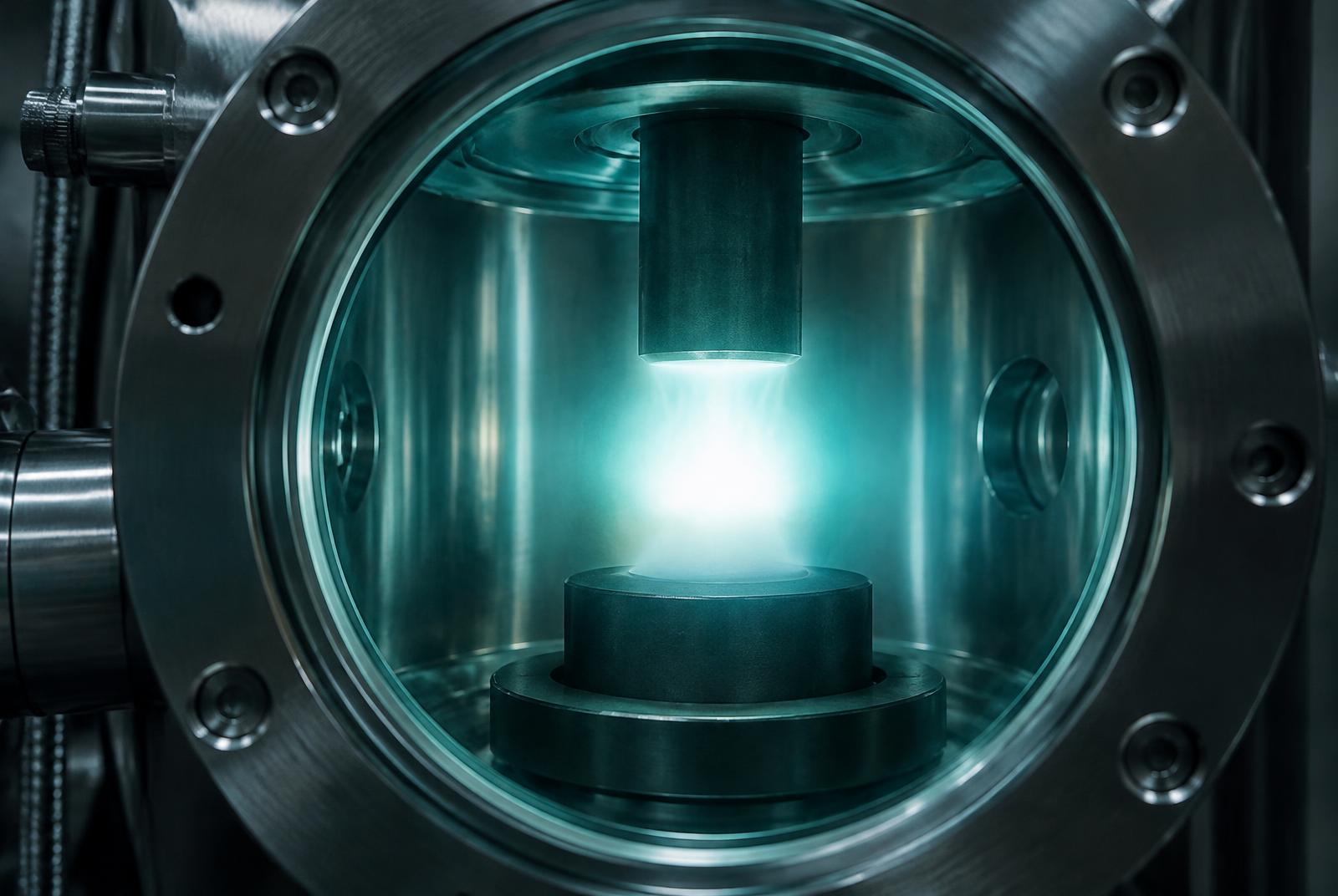
Microwave energy ionizes a process gas to form a high-temperature plasma zone. Being electrically driven, the energy input can be controlled independently of the feedstock.
Technology
An advanced thermal conversion technology that uses microwave-generated plasma to process prepared carbon-containing feedstocks into hydrogen-rich gas and solid carbon.
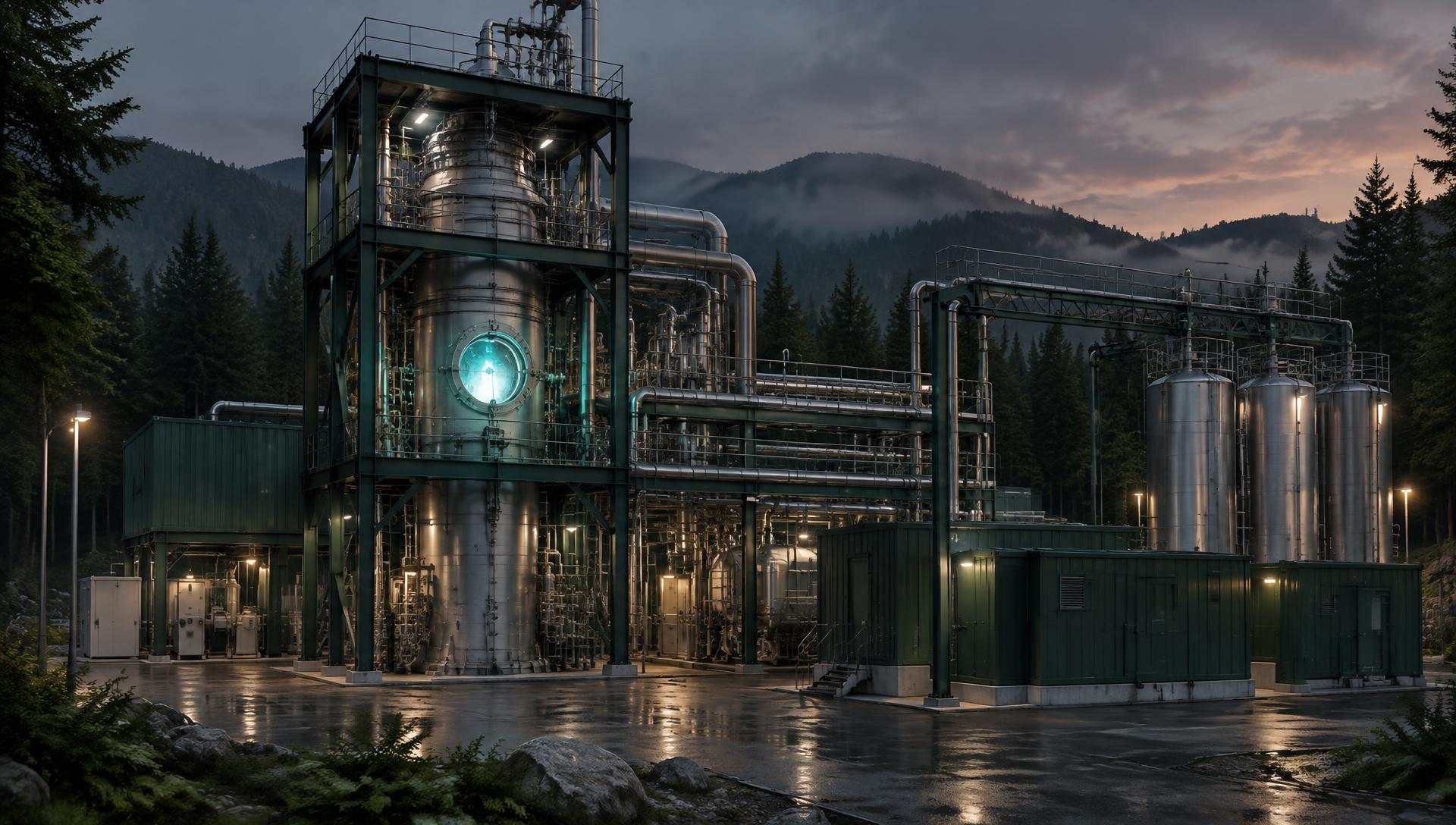
Concept rendering — not a Green Science Western LLC installation.
Process overview
Sizing, drying & conditioning
Microwave-driven thermal gasification
Cleanup & design-dependent reforming
Hydrogen-rich gas & carbon fractions
Optional purification, materials, chemicals & energy
Process stages
Microwave energy ionizes a process gas to form a high-temperature plasma zone. Being electrically driven, the energy input can be controlled independently of the feedstock.
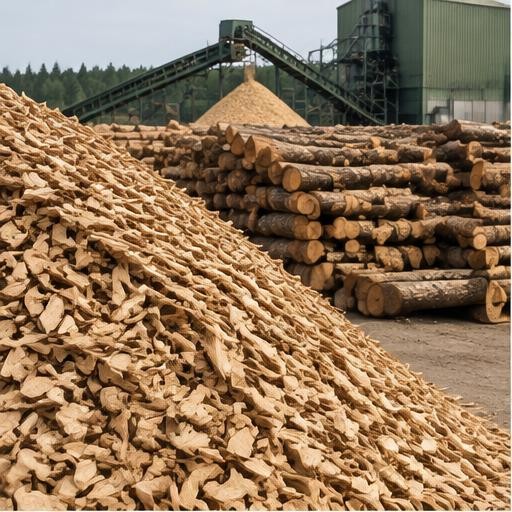
Materials are sized, dried, and conditioned to a consistent specification. Preparation is central to stable operation and product quality.
In the 'hybrid' configuration, plasma energy is combined with thermal gasification to break down organic material into a synthesis gas and solid residues.
Prepared feedstock → Process gas & solids
Raw gas is cooled and cleaned to remove particulates and contaminants ahead of downstream use.
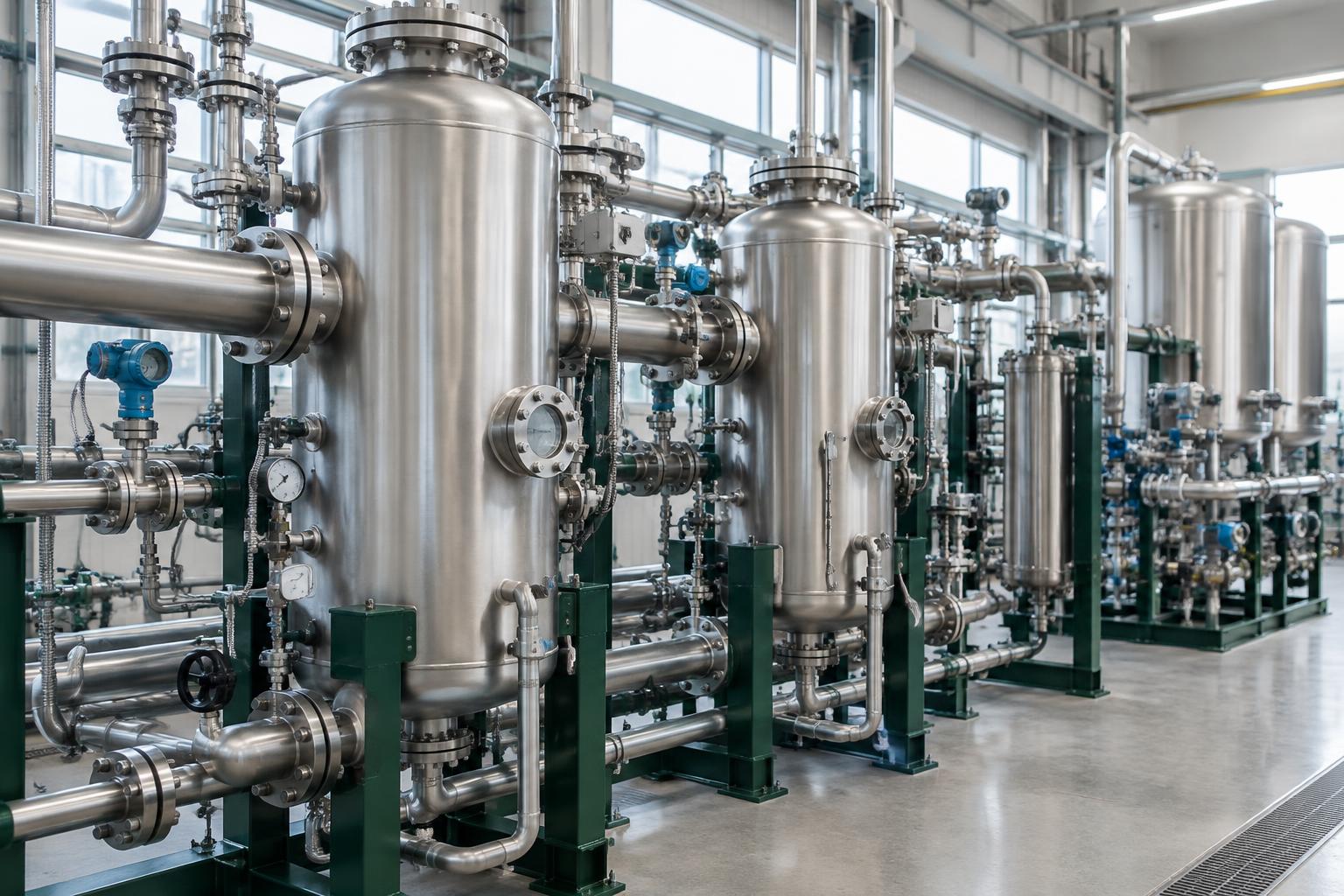
Where supported by system design, tail gas can be recycled and tars reformed in the plasma zone. Specific configurations are subject to verification.
Configuration → Verification → Validation
Hydrogen-rich gas and carbon fractions are separated for downstream processing, purification, or on-site use.
Recovery → Purification → Qualification
Deployment
The platform is conceived as modular process units that can be scaled and configured to site conditions, feedstock availability, and product targets. Unit capacities and configurations are defined during project engineering.
Power supply, feedstock logistics, gas cleanup, emissions controls, and integration with existing site infrastructure.
Air, waste, and land-use permitting requirements vary by jurisdiction and feedstock.
Feedstock testing, mass and energy balances, and independent engineering review precede commercial commitments.
Share your feedstock and project goals, and our team will outline next steps for assessment.
Concept rendering — not an operating installation.